June 8, 2026 Spencer Vaughn Book · 1 min read
What Scientific Forestry Taught Me About Spreadsheets
★★★★☆
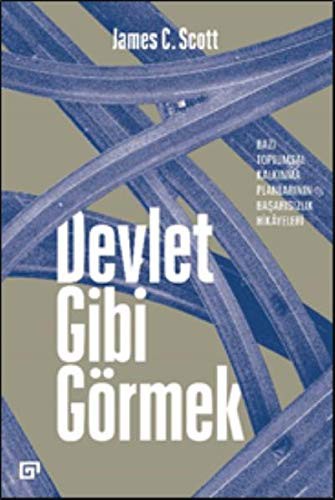
so i read this because it kept getting recommended in threads about how governments always mess things up, and yeah, it delivers, but not in the way i expected going in. James Scott’s basic argument is that states need to make the world “legible,” they need grids and maps and last names so they can tax and count and control, and every time they force that grid onto something messy and alive, forests, cities, farms, it goes badly. the forestry chapters at the start, german scientific forestry in the 1700s where they replanted whole forests in neat rows for easier lumber counting, then watched the whole ecosystem collapse a generation later, stuck with me way more than i expected.
the book is basically an anti-authoritarian argument dressed up as a history of urban planning, and one reviewer called it Taleb without the ego, which, once i sat with it, is exactly right, same obsession with humility in the face of complexity, way less insufferable about it.
my favorite specific bit, and this barely gets mentioned anywhere: the aside on variolation, where people were scratching smallpox matter into their skin to build immunity a full century before Jenner’s vaccine got all the credit, folk knowledge beating official science to the punch. and then there’s the detail about Spain handing out spanish surnames to Filipino citizens as a control measure, which apparently made a lot of people very upset, a detail that made me want to go dig into colonial record-keeping for a weekend.
it drags, the soviet collectivization chapters especially, and one guy joked Scott should write a sequel chapter on suburban sprawl, airport security, and NFL referees. honestly, not wrong. four solid stars, this rewired how i think about spreadsheets.